The Honest Truth About Your First Credit Card
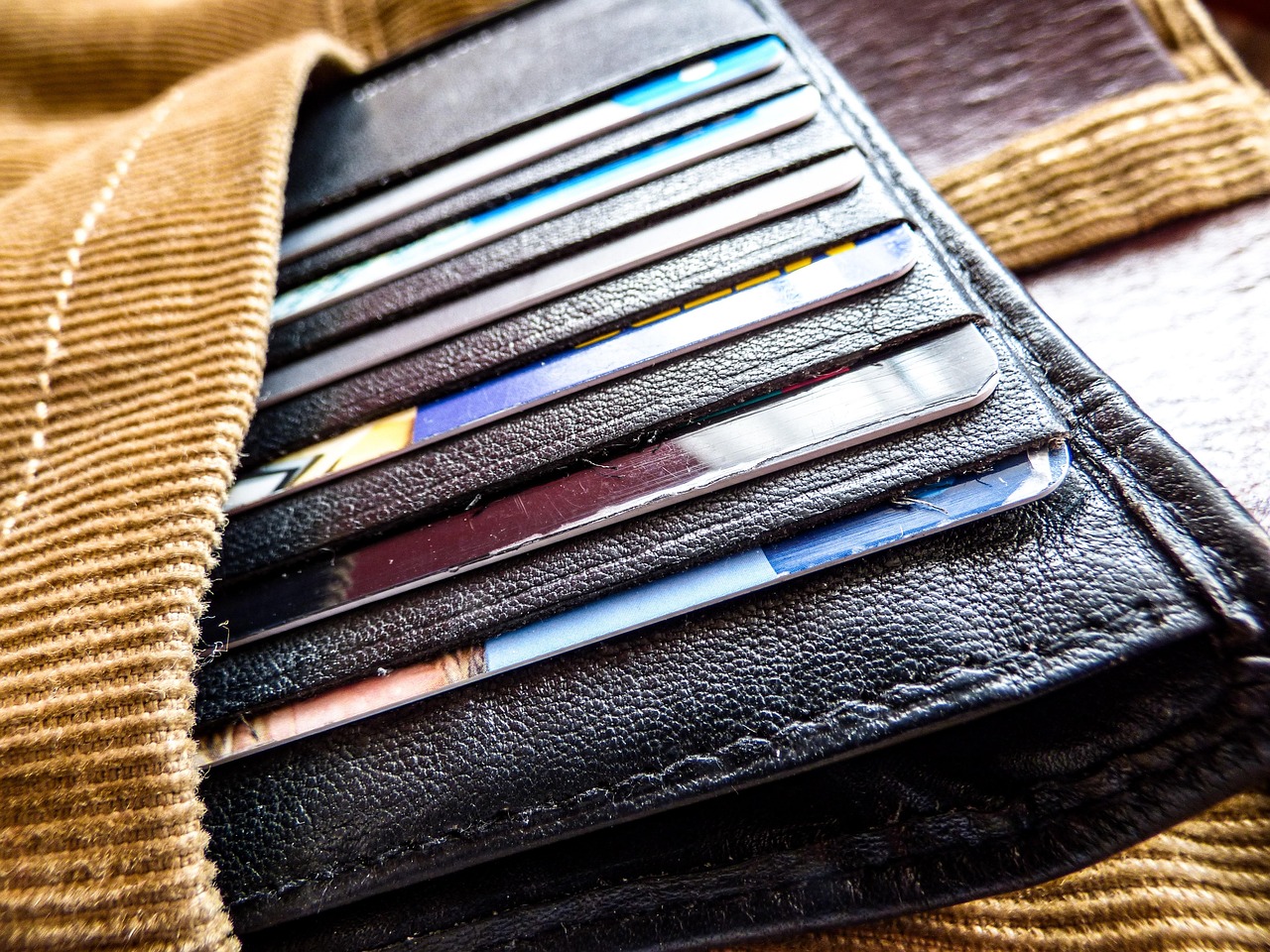
There are two camps when it comes to credit cards. One says they're a trap designed to keep you in debt forever. The other says they're basically free money if you're smart. Both are half right, and the half they're missing is the part that matters.
A credit card is a short-term loan with a very high interest rate and a grace period. If you pay the full statement balance every month, you pay zero interest and you build a credit history that will save you real money later — on car loans, mortgages, even some insurance premiums. If you carry a balance, the math flips hard against you, and the rewards you earned become a rounding error next to the interest.
The only rule that matters
Treat the card like a debit card. If the money isn't in your checking account right now, it doesn't go on the card. That single habit separates people who benefit from credit cards from people who get chewed up by them. Everything else — cashback, points, sign-up bonuses — is secondary.
This is harder than it sounds, because credit cards are engineered to feel frictionless. Tapping a card doesn't trigger the same "money leaving" feeling as handing over cash, and that gap is exactly where overspending lives. Some people handle this by checking their balance every few days. Others set a mental (or literal) weekly cap. Find the version that keeps you honest.
If you've struggled with overspending before, it's completely fine to start with a secured card — you put down a deposit, and the card's limit equals that deposit. It builds credit the same way without letting you dig a hole you can't climb out of.
What to actually look for
For a first card, ignore the flashy travel rewards. Look for three things: no annual fee, a reasonable APR (in case you ever do carry a balance), and a clear path to a higher limit as your history grows. A simple 1–2% cashback card is plenty. You're not optimizing for rewards yet — you're building a credit file.
Pay attention to the two numbers that follow you around: your payment history and your credit utilization. Payment history is the big one — one missed payment can ding your score for a while, so set autopay for at least the minimum, then pay the full balance manually. Utilization is how much of your limit you're using; keeping it under about 30% is a common rule of thumb, and under 10% is even better if you can manage it.
One more thing: don't close your first card once you upgrade. Length of credit history matters, and that old card is doing quiet work for you in the background even if you barely use it. Put a small recurring charge on it, set autopay, and let it age.
Used well, a credit card is one of the few financial tools that pays you to use it. Used carelessly, it's the most expensive money you'll ever borrow. The difference isn't the card — it's the habit behind it.